Diabetes and Nutrition
A note before you read. This article shares general nutrition information based on published research. It does not replace medical advice. Diabetes is a serious condition, and blood sugar responses vary from person to person. Speak to your doctor, diabetes nurse, or a registered dietitian before you make changes to your eating plan, especially if you take insulin or oral diabetes medication.
More than four million South Africans live with diabetes, and breakfast feels like a minefield for many of them. You want something filling. You want something quick. You want something that does not send your morning blood sugar through the roof. A jar of overnight oats sits in many fridges as the answer, but the question keeps coming up. Are they actually safe for diabetics?
The short answer. For most people with type 2 diabetes, overnight oats made with rolled or steel cut oats, an unsweetened liquid, and balanced toppings fit into a healthy eating plan. The research on oats and blood sugar is largely positive. The risk lies in how you build the bowl. Sugary toppings, instant oat packets, and oversized portions turn a steady breakfast into a spike. Always check your own blood sugar response and follow your healthcare team’s guidance.
Here is what the science actually shows, what to put in your jar, what to leave out, and how to test the bowl against your own glucose readings.
What the Research Says About Oats and Diabetes
The evidence on oats and blood sugar runs deep, and most of it leans in favour of oats as part of a diabetic eating plan.
Oats Lower Post Meal Blood Sugar
A 2021 systematic review and meta analysis pooled 103 trial comparisons across 538 participants. The conclusion was clear. Oat beta glucan reliably lowers post meal glucose and insulin responses compared with control meals.1 A separate 2022 systematic review and meta analysis published in BMJ Open Diabetes Research and Care looked specifically at adults with type 2 diabetes. It found that oats and oat beta glucan produce small improvements in fasting glucose, fasting insulin, two hour post meal glucose, and HbA1c beyond standard diabetes therapy.2
Each Gram of Beta Glucan Lowers the GI
A controlled trial at St Michael’s Hospital diabetes clinic in Toronto found that each gram of beta glucan reduces the glycaemic index of a food by about 4 units.3 A standard half cup of rolled oats holds roughly 2 grams of beta glucan, which already drops the bowl’s GI noticeably. Add ingredients like Greek yoghurt and chia, and the curve flattens further.
A 12 Week Trial Showed HbA1c Drops
A 2020 randomised, double blind controlled trial gave thirty seven adults with type 2 diabetes 5 grams of oat beta glucan a day for twelve weeks. HbA1c dropped in the beta glucan group, fasting insulin improved, and satiety hormones moved in a healthier direction.4 The dose roughly equals 60 to 80 grams of rolled oats spread across the day.
The Picture Is Not Entirely One Sided
One large 2025 trial published in The American Journal of Clinical Nutrition found that simply swapping regular bread for a beta glucan enriched bread for sixteen weeks did not significantly improve HbA1c or fasting glucose in people at risk of type 2 diabetes.5 The lesson is honest. Adding one beta glucan food on top of a poor diet is not enough. Beta glucan works inside a wider diet, not as a magic ingredient.
Why Overnight Oats Specifically May Help
Soaking oats overnight does something useful. The grain softens, and the cooling and resting process increases the amount of resistant starch in the bowl. Resistant starch is a form of carbohydrate that your small intestine does not break down. It passes through to your colon, where it feeds the gut bacteria, and it does not raise your blood sugar the way regular starch does. Some sources estimate that overnight oats made with rolled oats sit at a glycaemic index of 35 to 45, compared with around 55 for cooked rolled oats.6 Individual response varies, so use a glucose meter to confirm what your body actually does.
Which Oats Should a Diabetic Choose
| Oat Type | Glycaemic Index | Suitability for Diabetics |
|---|---|---|
| Steel cut oats | Low (42 to 53) | Best choice for blood sugar control |
| Rolled oats (old fashioned) | Moderate (55 to 69) | A good middle ground, works well in jars |
| Instant oats and quick oats | High (70 to 83) | Skip these, especially flavoured packets |
For a diabetic friendly jar, choose steel cut or rolled oats. Avoid sachets of flavoured instant oats. A single flavoured packet can pack twelve grams of added sugar before you stir in anything else.7 South African shoppers find good quality rolled and steel cut oats at every Checkers, Pick n Pay, Woolworths, Shoprite and Dischem.
The Diabetic Friendly Yes and No List
Good Ingredient Choices
- Rolled or steel cut oats
- Unsweetened almond milk or low fat dairy milk
- Plain Greek yoghurt or plain amasi
- Chia seeds and ground flaxseed
- Fresh berries (strawberries, blueberries, raspberries)
- Cinnamon and vanilla extract
- Unsweetened nut butter (small portion)
- A small handful of nuts
Skip These
- Flavoured instant oats
- Sweetened flavoured yoghurts
- Honey, maple syrup, brown sugar, agave
- Sugary granola and muesli
- Dried fruit in large amounts
- Fruit juice as a liquid base
- Chocolate chips, syrups, condensed milk
- Large portions of high GI fruit like overripe banana
A Diabetic Friendly Overnight Oats Recipe
The bowl below balances slow carbohydrate, protein, healthy fat, and fibre. The portion suits one person and fits the macronutrient profile most diabetes dietitians recommend for breakfast.
The Steady Glucose Jar
- Forty grams of rolled oats (roughly a third of a cup)
- Three quarters of a cup of unsweetened almond milk or low fat milk
- One tablespoon of chia seeds
- Two tablespoons of plain Greek yoghurt or plain amasi
- A small handful of fresh berries (about a third of a cup)
- A teaspoon of unsweetened almond butter
- A pinch of cinnamon
- Optional, a few crushed walnuts on top in the morning
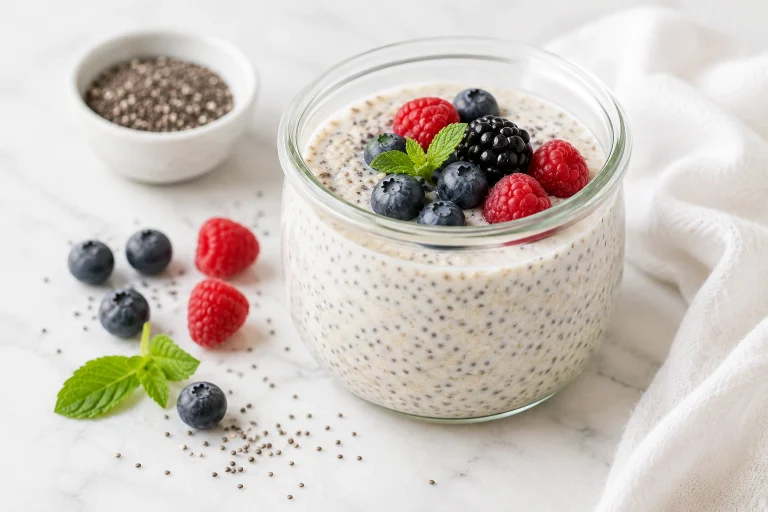
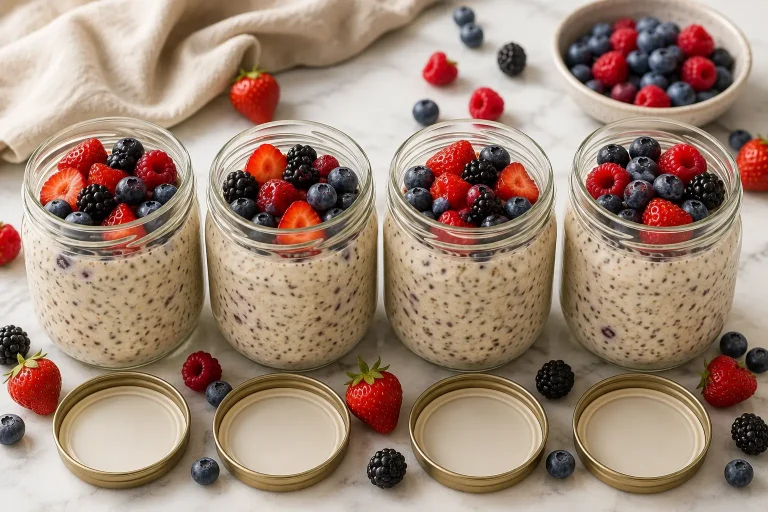
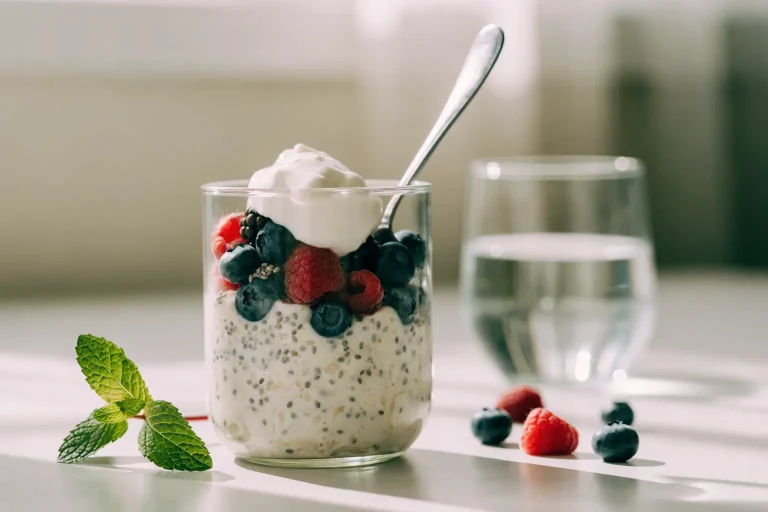
Stir the oats, chia, milk, and yoghurt in a glass jar before bed. In the morning, top with the berries, almond butter, and cinnamon. The chia and oats together deliver around 9 grams of fibre, which slows digestion. The Greek yoghurt brings protein. The almond butter brings healthy fat. Each one helps flatten your blood sugar curve.
Test Your Own Response
Diabetes is personal. Two people with type 2 diabetes can eat the same bowl and read different glucose numbers two hours later. The smartest move is to test.
Check your fasting blood glucose before the bowl. Eat the same recipe two days in a row, without changing anything else, and check at one hour and two hours after eating. Compare the numbers with your usual breakfast. If the post meal rise stays inside the range your healthcare team has set for you, the bowl works for you. If the numbers run higher than your target, adjust. Drop the oat portion to 30 grams. Swap the dairy milk for unsweetened almond milk. Take out the fruit. Test again.
If you wear a continuous glucose monitor, the data shows the curve in even more detail. Either way, your own meter is the final judge, not a blog or a recipe card.
Timing, Portion, and Frequency
Three points hold across most diabetes dietitian advice.
First, portion size matters more than the food itself. A 40 to 50 gram oat portion keeps the carbohydrate load reasonable. A 100 gram portion, even of healthy oats, lifts your blood sugar higher than your body can comfortably handle.8
Second, breakfast is the meal where insulin sensitivity sits at its highest for most people, so an oat bowl in the morning often works better than one at lunch or supper.9
Third, frequency. Eat overnight oats most mornings if they suit you. The 12 week trial that showed HbA1c improvement used daily beta glucan for three months.4 A once a week bowl will not move your numbers in the same way.
A Word of Honesty
Overnight oats are food, not medicine. They sit alongside the rest of your meals, your medication, your movement, and your sleep. The research shows real benefit for many people with type 2 diabetes, and the benefit grows when oats replace a worse breakfast like a sugary cereal, white toast and jam, or a service station pastry.
If you have type 1 diabetes, gestational diabetes, or any complication that affects how you eat, the rules around carbohydrate counting and insulin timing matter more than what we cover here. Work with your healthcare team to build a plan that fits your situation.
The Bottom Line
For most South Africans living with type 2 diabetes, overnight oats are safe and likely helpful when built the right way. Choose rolled or steel cut oats. Use unsweetened liquid. Skip the syrups, sugary granola, and flavoured instant packets. Add protein, fibre, and healthy fat. Eat a sensible portion. Test your own blood sugar so you know what your body does with the bowl. Then enjoy a breakfast that is fast, affordable, and supported by good evidence.
Frequently Asked Questions
Can diabetics eat overnight oats?
Most people with type 2 diabetes can eat overnight oats safely as part of a balanced eating plan, when built with rolled or steel cut oats, an unsweetened liquid, plain Greek yoghurt or amasi, and low GI fruit. Soaking and balanced toppings lower the glycaemic response. Always test your own blood sugar and check with your doctor or dietitian before making big diet changes.
What is the best type of oats for diabetics?
Steel cut oats sit lowest on the glycaemic index, between 42 and 53. Rolled oats sit in the moderate range, between 55 and 69. Both work well for overnight oats. Avoid flavoured instant oats, which carry a GI of 70 to 83 and often hide added sugar.
How much beta glucan do diabetics need from oats?
Research on type 2 diabetics shows benefit from around 5 grams of oat beta glucan per day, which equates to roughly 60 to 80 grams of rolled oats. A standard half cup overnight oats jar gives you about 2 grams. Two jars a day, or one jar plus oat bran in another meal, reaches the studied dose.
Are overnight oats better than cooked oats for diabetics?
They may be. Soaking and cooling oats increases resistant starch, a form of carbohydrate your body digests more slowly. Some sources estimate overnight oats sit at a glycaemic index of 35 to 45 compared with 55 for cooked rolled oats. Individual blood sugar response varies, so test your own.
What toppings should diabetics avoid on overnight oats?
Skip honey, maple syrup, brown sugar, agave, dried fruit in large amounts, sweetened flavoured yoghurts, sugary granola, and flavoured instant oat packets. Each one spikes blood sugar. Use cinnamon, vanilla, fresh berries, plain yoghurt, and unsweetened nut butter instead.
References
- Zurbau A, Noronha JC, Khan TA and colleagues. The Effect of Oat Beta Glucan on Postprandial Blood Glucose and Insulin Responses, A Systematic Review and Meta Analysis. European Journal of Clinical Nutrition, 2021. nature.com
- Effect of Oats and Oat Beta Glucan on Glycemic Control in Adults with Type 2 Diabetes, A Systematic Review and Meta Analysis. BMJ Open Diabetes Research and Care, 2022. drc.bmj.com
- Jenkins AL, Jenkins DJ, Zdravkovic U and colleagues. Depression of the Glycemic Index by High Levels of Beta Glucan Fiber in Two Functional Foods Tested in Type 2 Diabetes. European Journal of Clinical Nutrition. pubmed.ncbi.nlm.nih.gov
- Effect of Dietary Supplementation with Oat Beta Glucan for Three Months in Subjects with Type 2 Diabetes, A Randomised Double Blind Controlled Clinical Trial. University of Chile, 2020. sciencedirect.com
- Hjorth T and colleagues. Effectiveness of Regular Oat Beta Glucan Enriched Bread Compared with Whole Grain Wheat Bread on Long Term Glycemic Control in Adults at Risk of Type 2 Diabetes, A Randomised Controlled Trial. American Journal of Clinical Nutrition, 2025. sciencedirect.com
- Overnight Oats Creations. The Ultimate Guide to Overnight Oats for Diabetics. overnightoatscreations.com
- Healthcare On Time. Oatmeal Warning, Why Instant Oats Might Spike Your Blood Sugar. healthcareontime.com
- Dietitian Live. Delicious Overnight Oats for Diabetics, Can I Eat Overnight Oats. dietitianlive.com
- Virta Health. Best Types of Oatmeal for Type 2 Diabetes. virtahealth.com