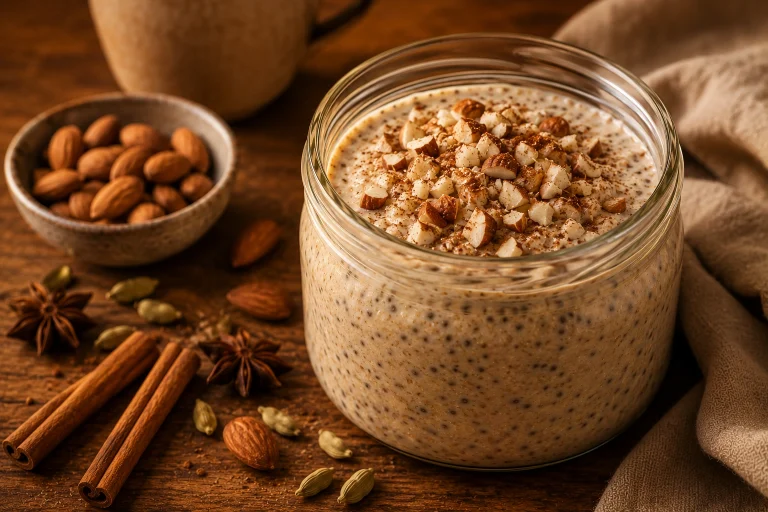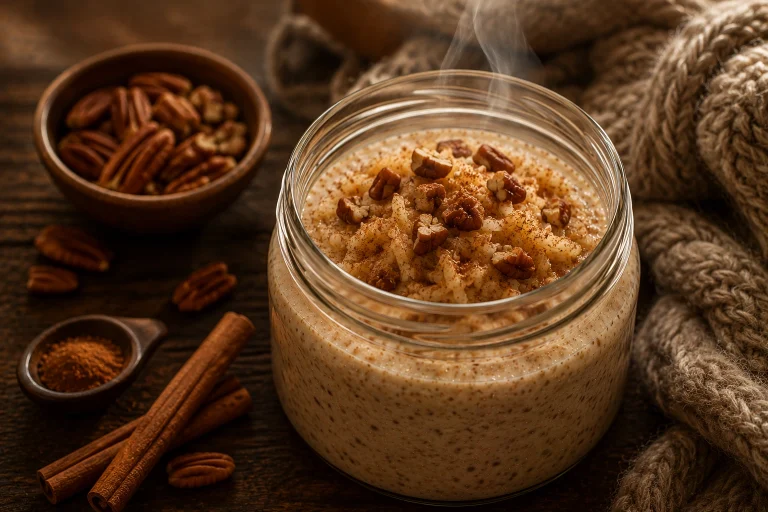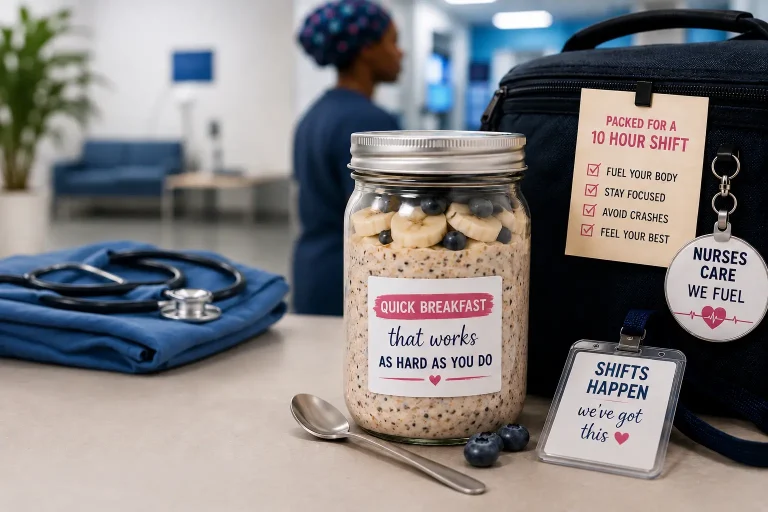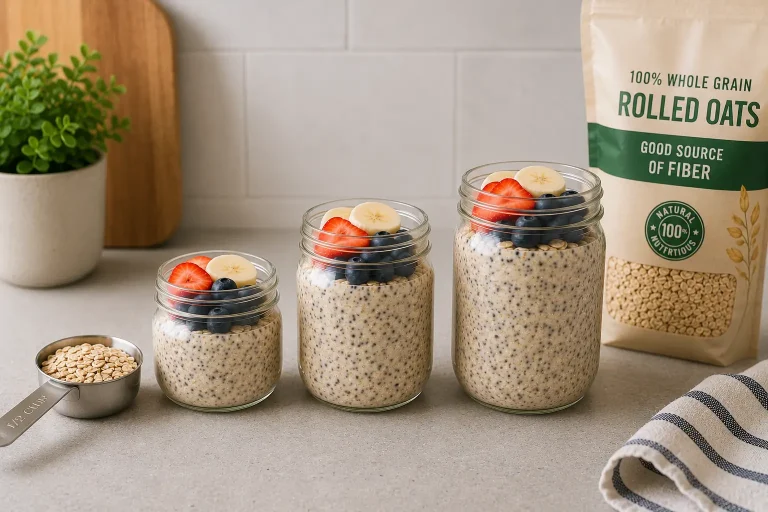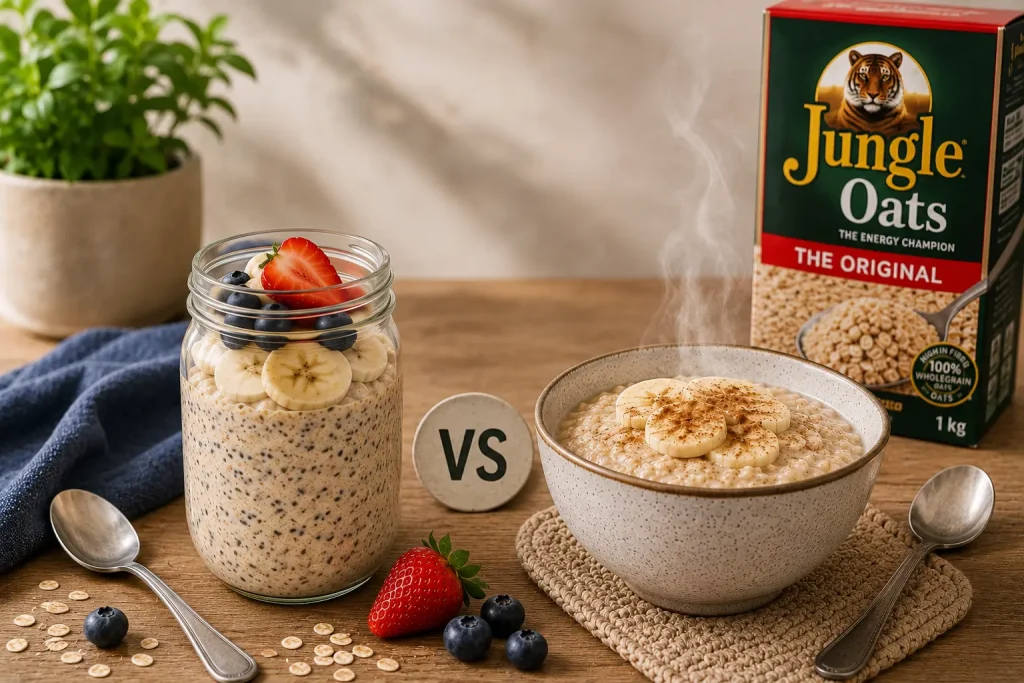
Same grain. Same bag of Jungle Oats. Completely different breakfast.
One gets cooked on the stove or in the microwave in five minutes. The other sits in the fridge for eight hours and requires zero cooking at all. South Africans have eaten hot oat porridge for generations. Overnight oats are newer. And the question of which one is better deserves a straight, evidence-based answer rather than a marketing pitch.
Here is the full picture.
Start Here: Both Are Genuinely Good Choices
Before comparing them, settle one thing clearly.
“Nutritionally, they are very similar,” says Jenn Salib Huber, registered dietitian and naturopathic doctor. “In my opinion, the better choice is the one you enjoy.” nih
Both hot oatmeal and overnight oats are good. The resistant starch difference between them is a small additional benefit if cold oats work better for your schedule. It is not a reason to give up cooked oatmeal, and it is not a reason to feel like overnight oats are categorically superior. Budget Bytes
That said, preparation method produces real, measurable nutritional differences. Understanding those differences helps you make the best choice for your specific goals, your lifestyle and your body. Read on.
The Core Nutritional Comparison
Both overnight oats and hot oatmeal start with the same raw ingredient. A half cup of Jungle Oats rolled oats contains the same protein, fibre, vitamins and minerals regardless of whether you cook it or soak it cold. The macronutrient profile does not change meaningfully between the two methods.
“Oats provide other important nutrients, like manganese, zinc, B vitamins and phosphorus,” says Rachael Ajmera, M.S., RD. Manganese is crucial for bone health and metabolism, while zinc plays a vital role in immune support. When it comes to nutritional content, the differences between overnight oats and hot oatmeal are minimal. Both preparations deliver the same core benefits of fibre, protein and essential minerals. Bob’s Red Mill Natural Foods
Where the differences emerge is in three specific areas: resistant starch, glycaemic response and beta-glucan bioavailability. Each requires its own explanation.
Difference 1: Resistant Starch Overnight Oats Win
This is the clearest nutritional advantage overnight oats hold over hot oatmeal, and it comes directly from the cold soaking process.
According to Bob’s Red Mill, overnight oats have increased digestibility and higher resistant starch than cooked oatmeal. Resistant starch is a carbohydrate that has difficulty digesting in the small intestine. Because of this, the carb ferments in the large intestine and transforms into a prebiotic that feeds beneficial bacteria in your gut. Resistant starch is present in all starchy foods, but starchy foods that are cooled versus cooked have higher levels. Oats that are chilled versus cooked on the stovetop have more resistant starch, which aids digestion and weight loss, and lowers insulin spikes. Mommypotamus
The mechanism behind this is called retrogradation.
The process of soaking oats in liquid, such as milk, water or yoghurt, and letting them sit in the fridge overnight allows some of the starches to undergo retrogradation. Retrogradation is when the starch molecules realign and become less digestible, forming resistant starch. There is some limited evidence that overnight oats may have a more favourable glycaemic response, attributable to this resistant starch. Bob’s Red Mill Natural Foods
When cooked starch cools, a portion of it recrystallises into a form called RS3, or retrograded resistant starch. RS3 resists digestion in the small intestine and travels to the colon, where gut bacteria ferment it into short-chain fatty acids. Overnight oats, which are never heated and spend hours hydrating cold, end up with more resistant starch than a hot bowl of oatmeal. The effect on gut health is real, though the magnitude is modest. Budget Bytes
Verdict on resistant starch: Overnight oats win. Cold soaking produces meaningfully more resistant starch than hot cooking. The difference supports gut health, improves glycaemic response and feeds beneficial gut bacteria.
Difference 2: Beta-Glucan – Hot Oatmeal Has a Slight Edge
Beta-glucan is the soluble fibre compound in oats that produces the strongest, most well-documented cardiovascular and cholesterol-lowering benefits. This is where hot oatmeal has a narrow advantage over overnight oats.
One of the hallmarks of cooked oats is their creamy texture, which comes from the release of soluble fibres like beta-glucan during the cooking process. Beta-glucan forms a gel in your gut, helping to lower LDL cholesterol and stabilise blood sugar levels. While both overnight and cooked oats contain beta-glucan, boiling oats may help release even more of it, giving cooked oats a slight edge in this area. Bob’s Red Mill Natural Foods
However, this advantage is smaller than it appears.
The beta-glucan content is essentially unchanged between cold and cooked oats. The cholesterol benefit does not depend on how you prepare them. Eat 40 grams of dry rolled oats, which equals approximately half a cup, to hit the 3 gram beta-glucan threshold the FDA’s health claim for heart disease risk reduction is based on. Steel-cut and rolled oats have the same amount of beta-glucan per gram, so the form does not change the cholesterol benefit. Budget Bytes
The research confirms that beta-glucan, when added to meals, reduces postprandial blood glucose and insulin responses by increasing the viscosity of the contents of the upper gut, thereby delaying the absorption of carbohydrates. Cooking gelatinises starch, causing more rapid digestion and an increased glycaemic response, but also solubilises beta-glucan, which increases its ability to reduce the glycaemic response. Cold soaking preserves the starch structure while still delivering meaningful beta-glucan. AndiAnne
In plain language: cooking releases slightly more active beta-glucan in the short term, but the total quantity is the same. Both methods deliver the cholesterol-lowering and blood-sugar-stabilising benefits that make oats one of the most well-studied heart-healthy foods in the world.
Oats are the only cereal the World Health Organisation considers a health food. They have a high beta-glucan concentration, low glycaemic starch, essential amino acids, unsaturated fatty acids and phenolic compounds. This nutritional profile is retained across both preparation methods. Craving California
Verdict on beta-glucan: Hot oatmeal has a marginal edge in terms of short-term beta-glucan release. Both methods deliver the clinically relevant 3 gram daily threshold from a standard serving.
Difference 3: Glycaemic Response – Overnight Oats Win
This difference matters most for people managing blood sugar, energy levels across a long work day, or weight.
Overnight oats typically score lower on the glycaemic index than the same oats cooked hot on the stovetop. Gelatinised starch, produced by cooking, is absorbed much faster than raw or lightly cooked starch. Research from the European Journal of Clinical Nutrition demonstrated that the viscosity of beta-glucan is directly proportional to its glycaemic-lowering effect. The resistant starch formed during cold soaking also contributes to a lower glycaemic response. ScienceDirect
A randomised controlled trial published in the American Journal of Clinical Nutrition compared overnight oats soaked in skim milk to a cream of rice control cereal. Overnight oats produced a significantly lower blood glucose response and a significantly lower insulin response, at p less than 0.0001. This result was attributed to the preserved resistant starch content and the beta-glucan-rich structure of the cold-soaked oats. AndiAnne
Hot oatmeal is still a low to moderate glycaemic food when prepared from rolled or steel-cut oats. But the cooking process gelatinises the starch, making it more rapidly digestible and producing a modestly higher glucose response than cold-soaked oats prepared from the same raw ingredient.
Regular consumption of at least 3 grams of beta-glucan daily, roughly the amount in a 40 gram serving of oats, has been shown to improve overall insulin sensitivity over time. This benefit applies to both preparation methods when consumed consistently. ScienceDirect
Verdict on glycaemic response: Overnight oats win. Cold soaking preserves a lower glycaemic structure. The difference is meaningful for anyone managing blood sugar, weight or sustained energy across a long morning.
Difference 4: Phytic Acid and Nutrient Absorption – Overnight Oats Win
Soaking oats overnight helps break down the starches and reduces the phytic acid naturally found in them. Phytic acid can sometimes interfere with your body’s ability to absorb certain minerals, like iron. Soaking the oats may make it easier for your digestive system to access and utilise the nutrients. As a bonus, this process creates resistant starch that acts as fuel for beneficial probiotic bacteria. Bob’s Red Mill Natural Foods
Hot oatmeal is cooked quickly, leaving more phytic acid intact. This does not make hot oatmeal nutritionally harmful. Most healthy adults absorb iron adequately from a varied diet regardless of phytic acid levels. But for people with iron deficiency, anaemia, or concerns about mineral absorption, the reduced phytic acid in overnight oats is a meaningful consideration.
Verdict on phytic acid: Overnight oats win. The extended cold soaking period reduces phytic acid and improves access to iron and other minerals.
Difference 5: Convenience – Overnight Oats Win by a Wide Margin
This is where the practical argument for overnight oats becomes overwhelming for most South Africans.
“It mostly comes down to convenience,” says Jenn Salib Huber, RD. “What I love is that you can prep them ahead, grab them on busy mornings, and top them up with protein, fat or fruit to make a balanced meal.” You can prepare several jars at the start of the week, customise them with different toppings and have a balanced breakfast waiting for you each morning. No cooking, no stirring, and minimal cleanup. nih
Hot oatmeal requires five to ten minutes of active morning time. You watch the pot or the microwave. You stir. You wait. You clean the bowl and the pot. When you are running late, tired or managing children before school, this morning friction is a real barrier.
Overnight oats require five minutes the night before, when the day’s pressure is over and the kitchen is available. The jar is ready in the morning. You open the fridge and eat. The jar goes in the dishwasher. That is the entire routine.
Overnight oats also stay fresh for three to five days in a sealed jar, making Sunday batch prep viable for the full work week. Hot oatmeal cannot be batch-prepped in the same way.
Verdict on convenience: Overnight oats win decisively. For families, shift workers, school mornings and anyone who has ever skipped breakfast because there was no time to cook, the overnight prep model solves the problem permanently.
When Hot Oatmeal Is the Better Choice
The evidence favours overnight oats across most nutritional and practical measures. But hot oatmeal earns its place in three specific situations.
Cold winter mornings. A warm bowl of oat porridge on a Highveld winter morning at 6am serves a comfort and warming function that no cold jar from the fridge replicates. Thermal comfort is a real nutritional consideration, particularly for children, older adults and anyone sensitive to cold. The good news: refrigerated overnight oats warmed in the microwave for 90 seconds give you both the overnight oats nutritional advantages and the warmth of porridge simultaneously.
When digestive sensitivity is a concern. Cooking oats gelatinises the starch, making it gentler on very sensitive digestive systems. For people recovering from gastrointestinal illness, or those with specific digestive conditions, a soft-cooked oat porridge can be easier to tolerate than cold-soaked oats with resistant starch. Always consult a doctor or registered dietitian if digestive conditions influence your food choices.
When you genuinely enjoy the ritual. Hot oatmeal is slower. More deliberate. A slow Sunday morning bowl of porridge with cinnamon and a ripe banana is a different eating experience from a cold jar eaten in the car. That experience has value. Eating intentionally and enjoying your food matters for sustainable healthy eating long-term.
The Head-to-Head Summary
| Measure | Overnight Oats | Hot Oatmeal |
|---|---|---|
| Resistant starch | Higher | Lower |
| Beta-glucan quantity | Equal | Equal |
| Beta-glucan release | Slightly lower | Slightly higher |
| Glycaemic index | Lower | Slightly higher |
| Phytic acid | Reduced by soaking | Higher |
| Morning prep time | Zero minutes | 5 to 10 minutes |
| Batch prep viable | Yes, 3 to 5 days | No |
| Warmth | Cold (or microwave) | Hot |
| Cost per serving | R12 to R22 | R8 to R16 |
| Best for gut health | Yes | Yes |
| Best for LDL cholesterol | Yes | Yes |
The SA Overnight Oats Base to Start Tonight
If this comparison has moved you toward overnight oats, here is the simplest possible starting jar using SA supermarket ingredients.
Ingredients:
- 1/2 cup Jungle Oats rolled oats (Pick n Pay, Woolworths, Checkers R22 to R38 per 500g)
- 1/2 cup full cream milk or oat milk
- 1/4 cup plain Greek yoghurt (Clover Krush)
- 1 tsp raw honey
- 1/4 tsp ground cinnamon
- Pinch of salt
- Morning topping: sliced banana or fresh berries
Method: Combine all ingredients in a sealed jar. Stir thoroughly. Refrigerate overnight. Open in the morning. Add toppings. Eat.
Cost per jar: R12 to R18. Prep time: 5 minutes tonight. Morning effort: Zero.
Do overnight oats have more resistant starch than hot oatmeal?
Yes. Overnight oats, which are never heated and spend hours hydrating cold, end up with more resistant starch than a hot bowl of oatmeal. The effect on gut health is real, though the magnitude is modest. It is not a reason to give up cooked oatmeal, and it is not a reason to feel like overnight oats are categorically superior. Budget Bytes
Does cooking oats destroy nutrients?
Not meaningfully. Cooking oats may make some nutrients, like starches, more digestible, which can improve nutrient absorption and satiety. Both cooked and overnight oats deliver a wealth of vitamins and minerals including manganese, zinc, B vitamins and phosphorus. The core nutritional profile is retained across both methods. Bob’s Red Mill Natural Foods
Can I warm overnight oats in the morning?
Yes. If you want the convenience of overnight oats but the warm comfort of hot oatmeal, simply warm the overnight oats in the microwave for a short time and you get the best of both preparations. Microwave your unsealed jar for 90 seconds, stir, and add your toppings. You retain the resistant starch benefits from the overnight cold soak while getting the warmth of a hot breakfast. nih
Which type of oats is best for overnight oats?
Rolled oats are the standard recommendation for overnight oats. Instant oats dissolve into mush after an overnight soak. Steel-cut oats remain too firm and chewy. Steel-cut and rolled oats have the same amount of beta-glucan per gram, so the form does not change the cholesterol or blood sugar benefit. Both have a meaningfully lower glycaemic index than instant oats. In South Africa, Jungle Oats rolled oats are the most widely available, best-priced and most consistent-performing option. ScienceDirect
Try tonight’s jar. Read our complete Beginner’s Guide for the master ratio, step-by-step method and your first five SA recipes. Or join our free 7-Day Overnight Oats Challenge and receive one new SA recipe to your inbox every morning for a week.
Sources referenced in this article include a randomised controlled trial published in the American Journal of Clinical Nutrition (NCT PubMed, 2019), 123 Food Science’s oat nutrition analysis (February 2026), Glycemic Snap’s glycaemic index comparison of oat preparation methods (February 2026), expert commentary from registered dietitians Jenn Salib Huber RD ND and Rachael Ajmera MS RD published via Yahoo Health (February 2026), and a peer-reviewed resistant starch review from Semantic Scholar (2023).