Medical disclaimer: This article is for educational purposes only. It does not replace medical advice. If you have high triglycerides, speak with your doctor or a registered dietitian before making significant dietary changes.
Triglycerides. You hear the word at your annual checkup, see it on your lipid panel results, and wonder what your breakfast has to do with any of it. The honest answer is that what you eat in the morning does matter for your triglyceride levels. And overnight oats sit in a genuinely interesting position in that conversation.
Here is what the research actually says.
What Are Triglycerides and Why Do They Matter?
Triglycerides are a type of fat circulating in your blood. Your body converts excess calories, particularly from sugar, refined carbohydrates and alcohol, into triglycerides and stores them in fat cells. When you need energy between meals, your body releases them.
A normal triglyceride level sits below 150 milligrams per deciliter (mg/dL). Values from 151 to 200 mg/dL are borderline high. Anything from 201 to 499 mg/dL is high, and levels of 500 mg/dL and above are very high. nih
High triglycerides are linked to a heightened risk of heart disease. A 2024 study published in the Journal of the American Heart Association found that the risk of heart-related problems starts to rise at triglyceride levels greater than 89 mg/dL, far lower than the 150 mg/dL level long considered normal. nih
The good news is that triglycerides respond to diet. Fast. People with high triglycerides who eat a healthier diet, exercise regularly and lose weight can lower their levels by more than 50 percent, according to preventive cardiologist Dr. Nicholas Marston at Harvard-affiliated Brigham and Women’s Hospital. nih
What you eat at breakfast is part of that picture.
What the Research Says About Oats and Triglycerides
Here is where the science gets specific and honest.
The active compound in oats is beta-glucan, a soluble fibre that forms a thick gel in your digestive tract, slows glucose absorption, and binds to cholesterol-rich bile acids, removing them before they can be reabsorbed. The research on beta-glucan and cholesterol is strong. The research on beta-glucan and triglycerides is more nuanced.
The LDL story is clear
A meta-analysis of 28 randomised controlled trials published in the American Journal of Clinical Nutrition found that oat beta-glucan in doses of 3 grams or more per day reduced LDL cholesterol by 0.25 mmol/L and total cholesterol by 0.30 mmol/L compared to control groups. These results were statistically significant. Fit Foodie Finds
This evidence was strong enough that health authorities in the US, Europe and elsewhere now permit health claims attributing a reduction in cardiovascular disease risk to consumption of specific amounts of beta-glucan, generally 3 grams per day. The Balanced Nutritionist
Your jar of overnight oats using half a cup of Jungle Oats delivers approximately 2 to 3 grams of beta-glucan. That puts you right at the clinically relevant threshold with one breakfast.
The triglyceride picture is more complex
That same meta-analysis of 28 randomised controlled trials found no significant effect of oat beta-glucan on triglyceride levels specifically. Fit Foodie Finds
However, a more recent analysis tells a different story. A 2022 systematic review and meta-analysis published in Clinical Nutrition ESPEN, which included 28 studies and 1,494 subjects, found that isolated beta-glucan interventions from parallel-arm studies decreased triglycerides by 0.30 mmol/L. This result was statistically significant. WebMD
A separate 2022 meta-analysis of 13 trials with 927 participants found mixed results. Two studies found that oat beta-glucan significantly decreased triglycerides. Two other trials reported that oat beta-glucan actually increased triglyceride levels. When all data were pooled, the overall effect on triglycerides was not statistically significant. Love and Lemons
What does this mean for you in plain language? Oats are not a triglyceride-specific treatment in the way that omega-3 fatty acids or fibrates are. But oats are a genuinely heart-healthy food that supports the overall dietary pattern that does lower triglycerides. The distinction matters.
Why Overnight Oats Still Support Lower Triglycerides
The direct beta-glucan to triglyceride link is mixed in the research. But overnight oats support lower triglycerides through several indirect pathways that the evidence supports strongly.
They prevent blood sugar spikes
Eating too much of any high-carbohydrate food contributes to high triglycerides. This is the key mechanism most people miss. When you eat refined carbohydrates, your blood sugar spikes, and your liver converts the excess glucose into triglycerides. Overnight oats use complex carbohydrates that release glucose slowly over three to four hours. No spike. No excess glucose for the liver to convert. ScienceDirect
This slow-release mechanism is what separates overnight oats from a bowl of white toast or a sugary breakfast cereal, both of which produce exactly the kind of blood sugar response that drives triglyceride production.
They replace high-triglyceride breakfast choices
A diet high in refined carbohydrates and added sugars raises triglyceride levels. Most typical South African breakfast choices fall squarely into that category. A vetkoek. A pastry. A sugary commercial cereal. A garage stop on the way to work. Clinical Nutrition ESPEN
Replacing those choices with overnight oats removes a direct driver of elevated triglycerides. The substitution effect is clinically meaningful even when the oats themselves do not directly lower triglycerides.
Chia seeds in your jar actively lower triglycerides
If you add chia seeds to your overnight oats and you should, the evidence on chia and triglycerides is stronger than the evidence on oats alone. A 2024 study found that people with moderate hypertriglyceridemia who consumed 30 grams of chia seeds per day for 8 weeks experienced similar triglyceride-lowering effects as people given fish oil supplements containing 1.8 grams of long-chain polyunsaturated fatty acids. Frontiers
One tablespoon of chia seeds stirred into your overnight oats base is 10 grams. It thickens the jar, adds 4 grams of fibre and 3 grams of omega-3 fats per tablespoon. That is a meaningful nutritional addition at a cost of under R2 per serving.
They support weight management
A 5 to 10 percent weight reduction results in a 20 percent decrease in triglycerides. Overnight oats are one of the most effective breakfast choices for weight management because the combination of beta-glucan fibre and protein produces sustained satiety. You eat less at 10am. You eat less at lunch. Calorie reduction follows naturally from the breakfast choice. nih
What to Put in Your Overnight Oats Jar If You Have High Triglycerides
The base recipe is not the whole story. What you add makes a significant difference.
Add these
Chia seeds: As covered above, the omega-3 and fibre combination makes chia seeds one of the strongest evidence-backed add-ins for triglyceride management specifically.
Walnuts or almonds as toppings: Nuts including almonds, pecans, pistachios and walnuts contain monounsaturated fats that help reduce triglyceride levels. A tablespoon of chopped walnuts on your morning jar is a simple upgrade. ScienceDirect
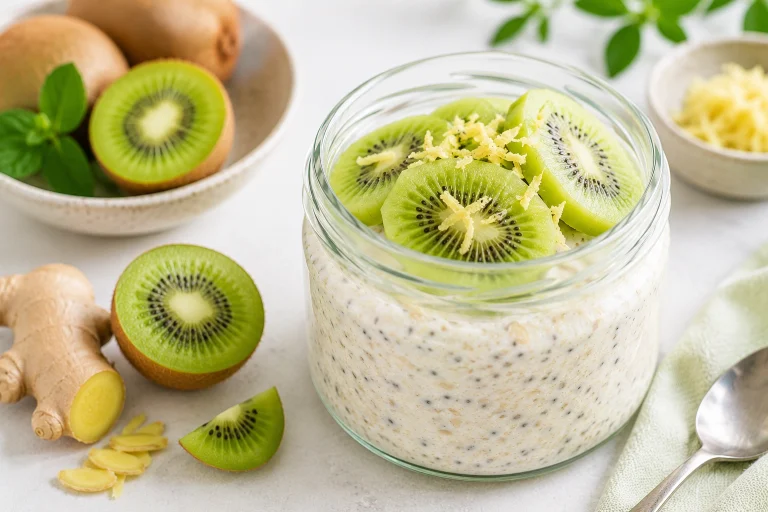
Berries instead of honey: Fresh or frozen blueberries, strawberries and mixed berries provide fibre and antioxidants without the sugar load that honey and maple syrup add. Lower fructose fruits such as berries, kiwi and citrus help manage triglyceride levels. nih
Oat milk or unsweetened almond milk as your liquid: Both avoid the added sugar that flavoured milks and fruit juices carry.
Watch these
Honey and maple syrup: Honey and maple syrup, despite being more natural than refined sugar, raise triglyceride levels just like regular sugar when you eat too much of them. When managing your triglycerides, cut down on all sweeteners including natural ones. Use a half teaspoon rather than a full tablespoon if your triglycerides are a concern. Clinical Nutrition ESPEN
Dried fruit toppings: High in concentrated sugar. Use fresh fruit instead.
Flavoured yoghurts: Added sugar in flavoured yoghurts contributes to the blood sugar response you are trying to avoid. Use plain, unsweetened Greek yoghurt every time.
Excessive banana: Banana is genuinely nutritious and works well in overnight oats. But a full large banana adds 27 grams of carbohydrate. Use half, and choose an overripe one which is sweeter and means you need less sweetener elsewhere.
A Triglyceride-Friendly SA Overnight Oats Base Recipe
This recipe is built specifically for people managing elevated triglycerides. It keeps added sugar minimal, maximises fibre and omega-3 content, and stays well within the slow-release carbohydrate profile that supports stable blood glucose.
Ingredients:
- 1/2 cup Jungle Oats rolled oats
- 1/2 cup unsweetened oat milk or plain water
- 1/4 cup plain unsweetened Greek yoghurt (Clover Krush)
- 1 tbsp chia seeds
- 1/2 cup fresh or frozen mixed berries
- 1/4 tsp ground cinnamon
- Pinch of salt
- Optional topping: 1 tbsp chopped walnuts
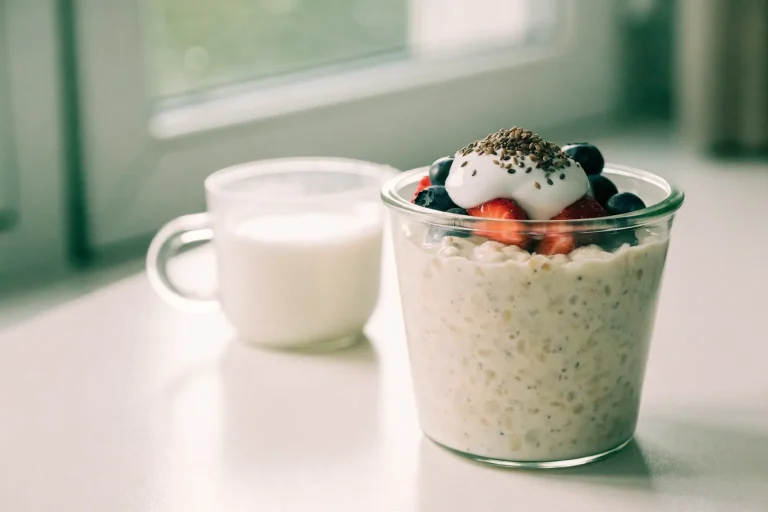
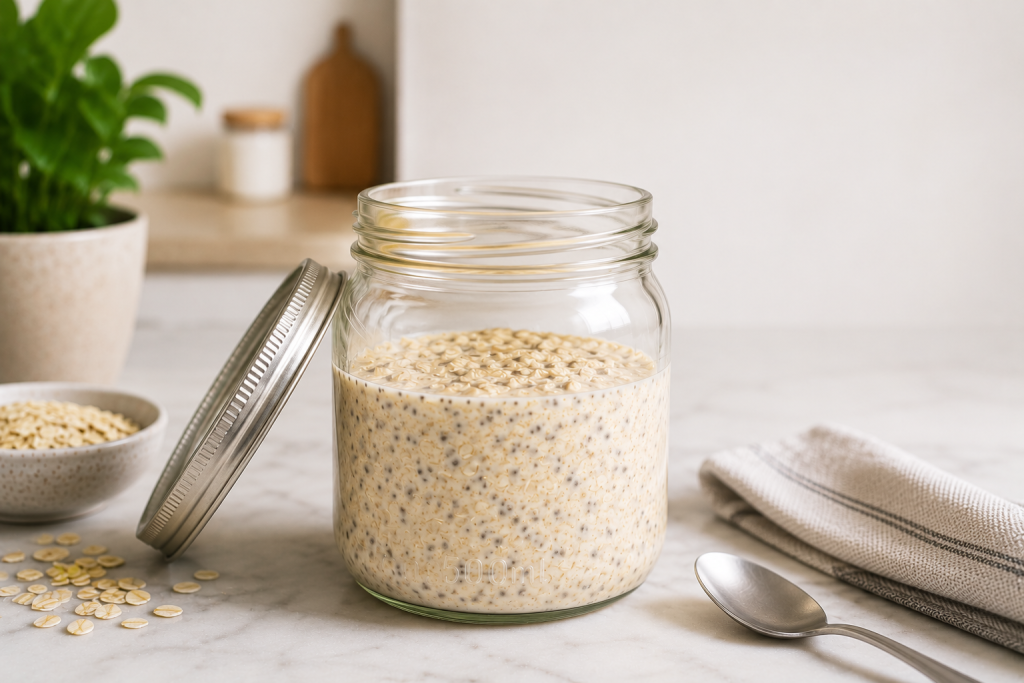
Method: Combine all ingredients except toppings in a jar. Stir thoroughly. Seal and refrigerate overnight. Morning: top with extra berries and walnuts. No honey required. The berries and cinnamon provide enough natural sweetness.
Nutritional estimate per jar: Approximately 380 calories, 15 grams protein, 10 grams fibre, 3 grams omega-3 fats, minimal added sugar.
The Broader Picture: Diet and Lifestyle
Overnight oats alone will not solve high triglycerides. No single food will. But they are a genuinely useful part of the right overall pattern.
To lower your triglyceride levels, limit your sugar intake, follow a lower carbohydrate diet, eat more fibre, exercise regularly, avoid trans fats, increase your intake of unsaturated fats, and limit your alcohol intake. WebMD
Regular exercise also lowers triglycerides. The American Heart Association recommends at least 150 minutes of moderate intensity activity per week. nih
Overnight oats fit the dietary pattern that lowers triglycerides. High fibre. Complex carbohydrates. Low in added sugar when prepared correctly. Able to carry omega-3 rich toppings. And ready in the fridge with zero morning effort, which removes the temptation to grab something processed on the way out.
The Bottom Line
Overnight oats are not a direct triglyceride treatment. The research on beta-glucan and triglycerides specifically is mixed, with some studies showing reduction and others showing no significant effect, however the health benefits of overnight oats are clear.
What overnight oats do reliably is reduce LDL cholesterol, slow blood glucose absorption, support healthy weight management, and fit into the low-sugar, high-fibre dietary pattern that cardiovascular medicine consistently links to lower triglycerides.
Build your jar right. Add chia seeds. Use plain unsweetened yoghurt. Skip the honey if your triglycerides are a concern. Choose berries over dried fruit. And make it tonight.
That is five minutes of prep for a breakfast that supports your heart health in multiple proven ways. A clinic appointment might tell you the result six weeks from now.
Sources referenced in this article include peer-reviewed research published in the American Journal of Clinical Nutrition, Clinical Nutrition ESPEN, Nutrients (MDPI), and clinical guidance from Harvard Health and the American Heart Association. See reference list below.
References:
- Whitehead, A. et al. (2014). Cholesterol-lowering effects of oat beta-glucan: a meta-analysis. American Journal of Clinical Nutrition. PMC5394769.
- Vici, G. et al. (2022). The separate effects of whole oats and isolated beta-glucan on lipid profile. Clinical Nutrition ESPEN.
- Liu, L. et al. (2022). Effects of Oat Beta-Glucan Intake on Lipid Profiles in Hypercholesterolemic Adults. Nutrients, 14(10). PMC9147392.
- Marston, N. (2024). Taming high triglycerides. Harvard Health Publishing.
- Medical News Today. (2025). What foods can lower triglyceride levels?
Common questions
Do oats lower triglycerides?
The research shows mixed results specifically for triglycerides. A 2022 meta-analysis published in Clinical Nutrition ESPEN found that isolated beta-glucan from oats significantly decreased triglycerides. Other large meta-analyses found no significant triglyceride effect. What the research consistently shows is that oats strongly lower LDL cholesterol, which is the primary cardiovascular benefit. Oats also support the broader dietary pattern, low added sugar, high fibre, slow-release carbohydrates, that does reduce triglycerides over time.
Are overnight oats high in sugar?
A plain overnight oats base using Jungle Oats, unsweetened milk and plain yoghurt contains almost no added sugar. The carbohydrates in oats are complex and release slowly. The sugar content rises significantly when you add honey, maple syrup, dried fruit, flavoured yoghurt or flavoured milks. If you manage your triglycerides, keep your overnight oats base plain and use fresh berries for sweetness.
What should I not put in overnight oats if I have high triglycerides?
Avoid large amounts of honey, maple syrup, dried fruit, flavoured yoghurts and sweetened milks. These add sugar that your liver converts directly into triglycerides. Use plain unsweetened yoghurt, unsweetened milk, and fresh or frozen berries. Add chia seeds and walnuts for omega-3 fats and fibre, both of which support triglyceride management.
How much fibre do overnight oats provide?
A standard overnight oats jar using half a cup of Jungle Oats delivers approximately 4 grams of fibre from the oats alone. Adding one tablespoon of chia seeds increases that to 8 grams. Most South Africans consume less than half of their recommended daily fibre intake of 25 to 38 grams. One jar significantly closes that gap.
Should I talk to my doctor before changing my diet for triglycerides?
Yes. A healthcare professional should determine whether dietary changes alone are sufficient to make a meaningful difference, or whether medication is also required. High triglycerides can be caused by genetic factors, underlying conditions including hypothyroidism and diabetes, and certain medications. Diet is powerful, but it works best as part of a plan agreed with your doctor or a registered dietitian.